



Small business owners today operate in a world where marketing moves fast, customer expectations are high, and competition is only a click away. A business can have a beautiful website, run ads, and post on social media regularly — yet still struggle to generate consistent leads or meaningful growth. The reason is simple: many businesses are using disconnected tactics rather than a unified strategy.
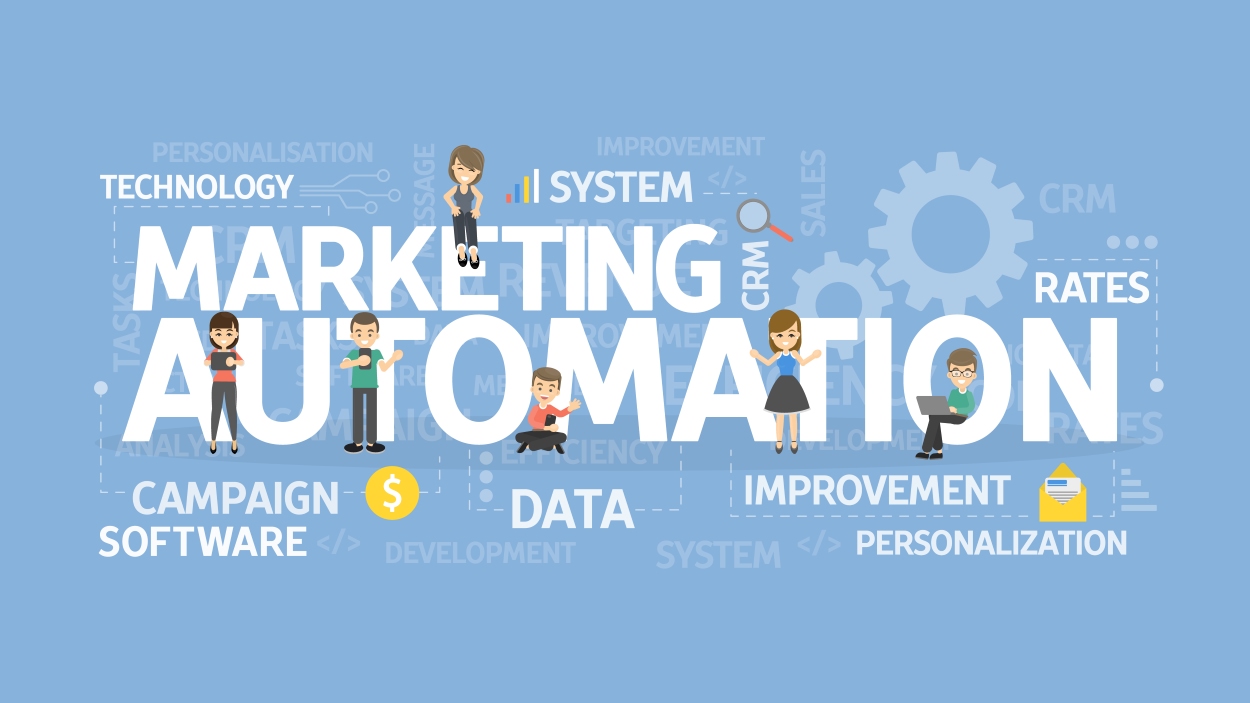
That is why digital-marketing-automation-growth has become one of the most important frameworks for modern businesses. Instead of relying on random marketing activities, this approach connects website development, SEO, advertising, CRM automation, and data tracking into one structured system that continuously attracts, converts, and nurtures leads.
At AD-IOS , the focus is helping businesses move away from fragmented marketing and toward scalable digital ecosystems that drive measurable results. In this in-depth guide, we’ll break down what digital-marketing-automation-growth truly means, why it works, and how small business owners can leverage it to grow faster, smarter, and with less manual effort.
Understanding Digital-Marketing-Automation-Growth
Digital-marketing-automation-growth is the strategic integration of marketing channels and automation technologies designed to create predictable growth for businesses.
Rather than treating marketing tasks separately, this approach combines:
- Website development and conversion optimization
- Search engine optimization (SEO)
- Paid advertising campaigns
- CRM systems and lead nurturing workflows
- Analytics and reporting tools
The goal is to create a seamless customer journey from the moment someone discovers your business to the moment they become a paying customer — and beyond.
A typical customer journey today might include:
- Searching for services on Google
- Clicking your website from organic results
- Leaving without converting
- Seeing a retargeting ad later
- Receiving an automated follow-up
- Booking an appointment days later
Without digital-marketing-automation-growth, these touchpoints are disconnected. With the right system in place, each interaction supports the next.
Why Small Business Owners Need Digital-Marketing-Automation-Growth
Small businesses often operate with limited resources. Owners manage operations, sales, customer service, and marketing simultaneously. Manual processes quickly become unsustainable.
Consistent Lead Generation
Traditional marketing produces unpredictable results. Digital-marketing-automation-growth creates a steady pipeline by combining organic and paid channels.
Faster Customer Response
Research consistently shows that response time dramatically impacts conversion rates. Automation ensures new leads receive immediate acknowledgment via text or email.
Reduced Operational Stress
Automation handles repetitive tasks like follow-ups and reminders, freeing business owners to focus on growth.
Better Decision Making
Integrated systems provide clear data on what is working, reducing wasted marketing spend.
Website Development as the Foundation
Your website is the center of digital-marketing-automation-growth. It is where traffic lands, trust is built, and conversions begin.
Conversion-Driven Design
A modern website should guide visitors toward specific actions:
- Calling your business
- Filling out forms
- Booking appointments
- Requesting quotes
Design choices such as layout, button placement, and messaging directly influence conversion rates.
Mobile-First Performance
Most users browse on phones. Mobile optimization improves user experience and SEO rankings.
Technical Performance
Fast load speeds reduce bounce rates and improve engagement. This includes optimized images, efficient code, and reliable hosting.
CRM Integration
When forms connect directly to your CRM, every lead enters an automated system instantly — a core element of digital-marketing-automation-growth.
SEO: The Long-Term Engine of Growth
SEO allows businesses to attract customers who are actively searching for services. Unlike ads, SEO can provide sustainable traffic over time.
Keyword and Intent Strategy
Effective SEO focuses on understanding what users are searching for and creating content that answers those queries.
Technical SEO Essentials
Technical factors include:
- Crawlability and indexing
- Structured site architecture
- Core Web Vitals performance
- Clean URL structures
For usability and website best practices, high-authority guidance such as the U.S. government’s digital standards provides valuable insight into design and accessibility principles.
Outbound reference: https://www.usability.gov/
Local SEO for Visibility
Local businesses benefit from:
- Google Business Profile optimization
- Location-based landing pages
- Review management strategies
These elements help businesses appear prominently in local search results.

Content Marketing in Digital-Marketing-Automation-Growth
Content plays a major role in attracting organic traffic and building trust.
Educational Blog Content
Blog posts help businesses answer common customer questions, improving SEO while positioning the brand as an authority.
Service Pages That Convert
Service pages should balance keyword optimization with clear calls to action.
Internal Linking Strategy
Internal links guide users and search engines through your site.
Helpful resources from AD-IOS:
- Our Services
- Website Development
- Contact Page
Paid Advertising for Immediate Results
SEO is powerful but takes time. Paid advertising fills the gap by delivering immediate traffic.
Google Ads for High Intent
Search ads target users actively seeking solutions, resulting in high-quality leads.
Social Media Advertising
Social ads allow advanced targeting based on demographics, interests, and behavior.
Retargeting Campaigns
Most visitors won’t convert right away. Retargeting keeps your brand visible and increases conversion opportunities.
CRM Automation: The Core of Digital-Marketing-Automation-Growth
The most common reason businesses lose leads is poor follow-up. Automation solves this problem.
Instant Lead Response
Automated workflows can send:
- Confirmation emails
- SMS notifications
- Appointment booking links
Nurture Sequences
Not every lead is ready to buy immediately. Automation keeps communication consistent until they are ready.
Pipeline Management
CRM systems organize leads into clear stages, helping teams prioritize follow-ups.
Review and Reputation Automation
Automated review requests improve online reputation and local SEO performance.
Data and Analytics in Digital-Marketing-Automation-Growth
Growth requires measurement.
Key metrics include:
- Conversion rate
- Cost per lead
- Lead response speed
- Customer acquisition cost
- Return on ad spend
When data is centralized, businesses can optimize campaigns quickly and confidently.
Common Mistakes That Limit Growth
Focusing Only on Traffic
Traffic alone doesn’t generate revenue — conversions do.
Delayed Follow-Ups
Leads lose interest quickly if they don’t hear back.
Fragmented Tools
Too many platforms cause inefficiencies and data gaps.
Ignoring SEO Fundamentals
Poor site structure and slow performance hurt long-term visibility.
Real-World Scenario: Automation vs Manual Processes
Imagine two businesses receiving the same number of leads.
Manual process:
- Leads wait hours for replies
- Follow-ups depend on memory
- Opportunities are lost
Automated process:
- Immediate SMS confirmation
- Automated reminders
- Structured pipeline tracking
The automated business consistently closes more deals with the same marketing budget.
The Role of AI and Emerging Trends
Digital marketing is evolving toward intelligent automation.
Future trends include:
- AI-assisted customer communication
- Predictive analytics
- Personalized marketing journeys
- Automated reporting dashboards
Businesses adopting digital-marketing-automation-growth early position themselves ahead of competitors.
How AD-IOS Helps Businesses Implement Digital-Marketing-Automation-Growth
AD-IOS combines development, marketing, and automation into one cohesive strategy.
Services include:
- Custom website development
- SEO optimization and content strategy
- Google & social advertising
- CRM automation and workflow creation
- Reporting and analytics integration
This unified approach reduces complexity and accelerates growth.
Step-by-Step Framework to Get Started
- Audit your current website performance
- Optimize for conversions
- Build SEO-focused content
- Launch targeted ad campaigns
- Connect forms to a CRM
- Automate follow-up workflows
- Measure and refine continuously
Following this process creates long-term digital-marketing-automation-growth instead of short-term spikes.
Why Integration Matters More Than Ever
Businesses using disconnected systems often experience:
- Slow reporting
- Lost leads
- Higher costs
- Inconsistent branding
Integrated ecosystems provide clarity, efficiency, and better customer experiences.
Frequently Asked Questions
How long does digital-marketing-automation-growth take to show results?
Paid advertising and automation can produce immediate improvements, while SEO typically builds momentum over several months.
Is this only for large businesses?
No. Small businesses often benefit the most because automation reduces workload and improves efficiency.
Do I need multiple software tools?
Not necessarily. The goal is consolidation, not complexity.
Ready to Build Your Digital-Marketing-Automation-Growth System?
If you’re ready to streamline your marketing, increase conversions, and create predictable growth, AD-IOS is here to help.
Visit AD-IOS to explore solutions, or connect with us through our Contact Page.
Book your free consultation today!